
Fire Extinguisher Inspection, Recharge & Sales
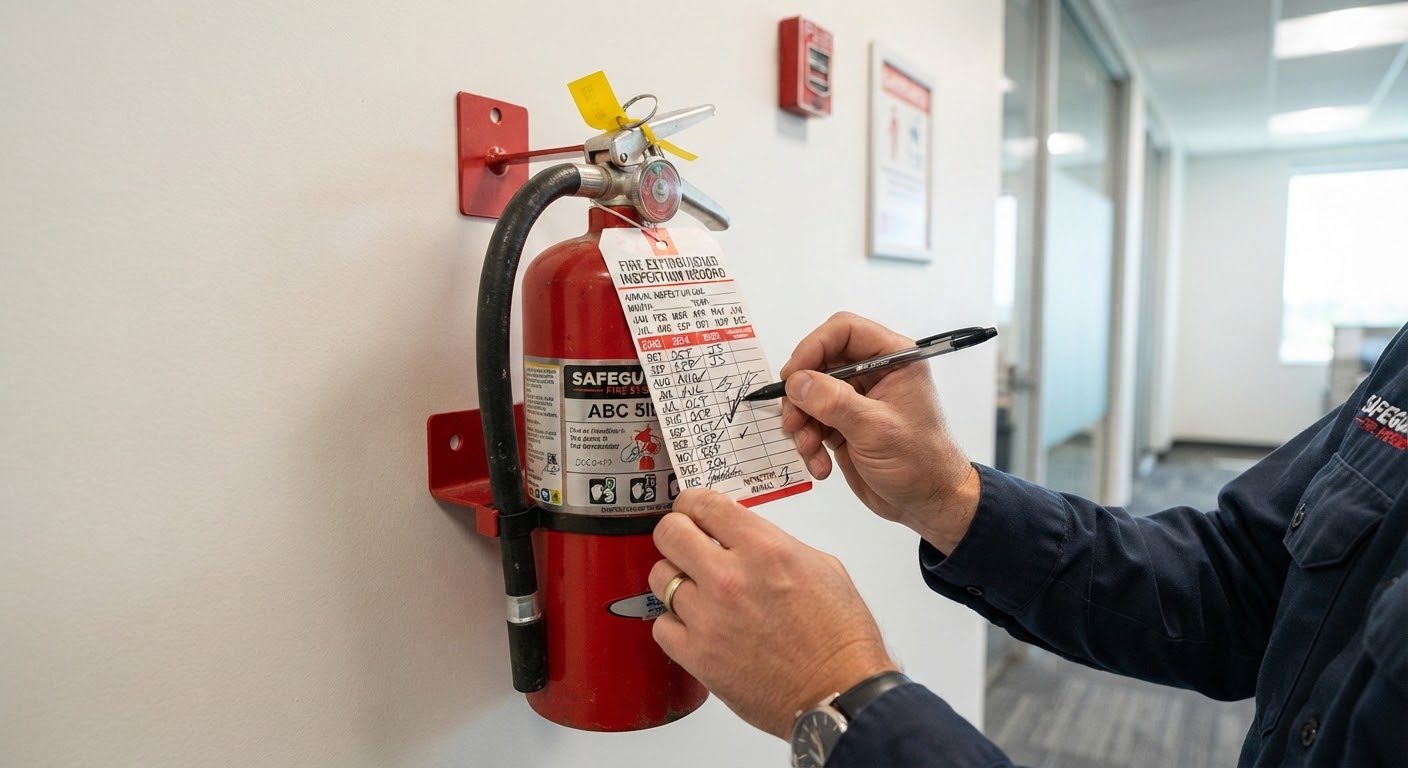
Portable fire extinguishers are required in virtually every commercial occupancy, and NFPA 10 requires them to be professionally inspected and maintained annually — plus monthly visual checks, periodic internal maintenance, and hydrostatic testing on longer cycles. Our directory connects you with licensed extinguisher service companies for inspections, recharging, testing, and new equipment.
Extinguisher service is the most affordable line item in fire protection, and one of the first things a fire marshal checks: a current service tag on every unit. Many extinguisher companies also service exit lighting and kitchen suppression systems on the same visit.
What these contractors handle
- Annual NFPA 10 maintenance and tagging of all portable extinguishers
- Recharging after any discharge or at required intervals
- 6-year internal maintenance and 12-year hydrostatic testing
- New extinguisher sales, placement consultation, and mounting
- Class-specific coverage: ABC, CO2, Class K kitchen, clean agent, Class D
- Service records for the fire marshal and your insurer
Code-required service schedule
Schedules summarize national NFPA standards; your local fire code and AHJ requirements control. Verify specifics with a licensed local contractor.
Find a licensed contractor near you
Compare local pros, check license credentials, and contact them directly — free.
Find a Pro