
Clean Agent & Special-Hazard Fire Suppression
Some assets can't be protected with water. Server rooms, data centers, telecom facilities, archives, control rooms, and industrial processes rely on special-hazard suppression — clean agents like FM-200 and Novec 1230, inert gas systems, CO2, and dry chemical — to stop fires without destroying what's inside. Our directory connects you with licensed special-hazard contractors for design, installation, inspection, and recharge.
These systems are governed by NFPA 2001 and related standards, and like all fire protection they require recurring inspection: agent quantity and pressure checks, detection and control testing, and enclosure integrity (room seal) testing to ensure the agent will hold concentration.
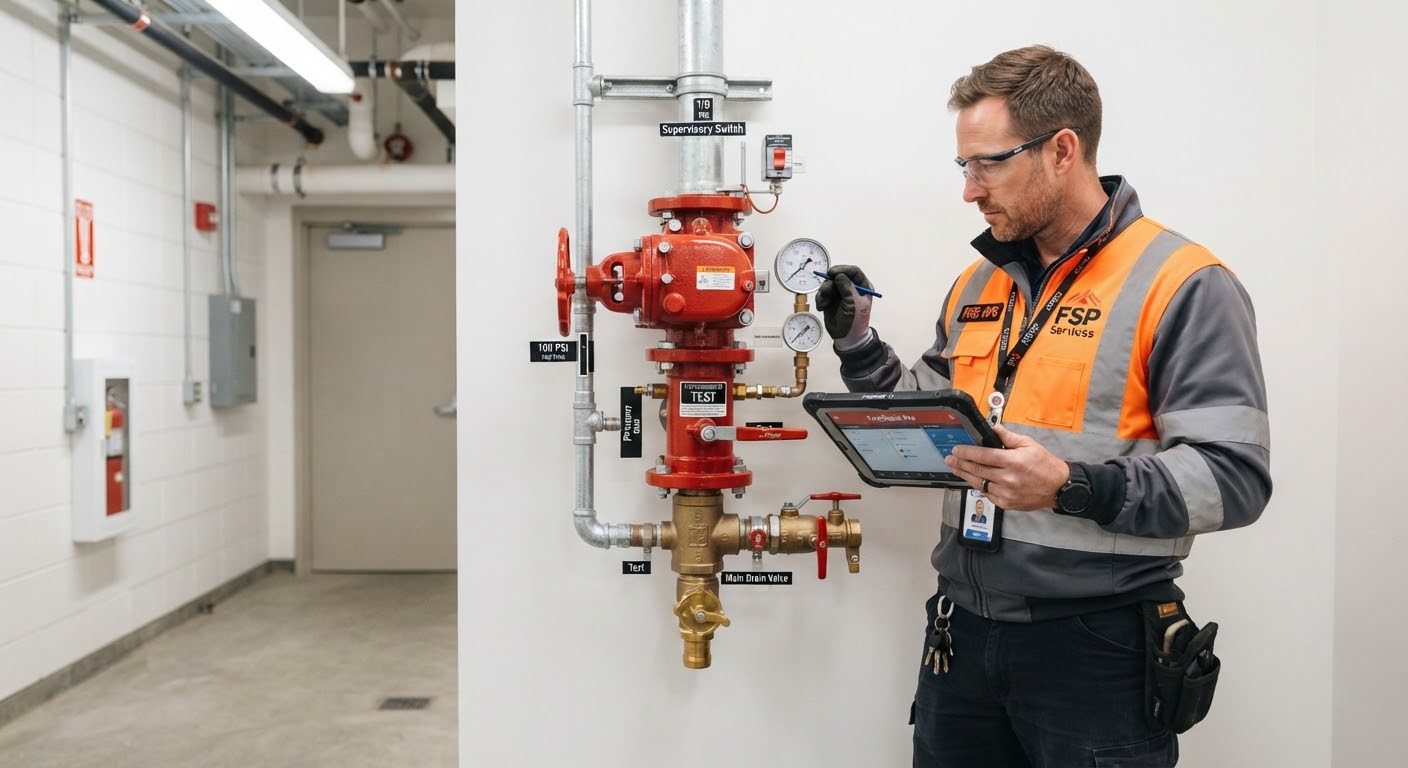
What these contractors handle
- Clean agent system design and installation (FM-200, Novec 1230, inert gas)
- Semiannual agent quantity and pressure inspections per NFPA 2001
- Detection, control panel, and releasing circuit testing
- Room integrity (door fan) testing
- Cylinder recharge and hydrostatic testing
- CO2, dry chemical, and industrial special-hazard systems
Code-required service schedule
Schedules summarize national NFPA standards; your local fire code and AHJ requirements control. Verify specifics with a licensed local contractor.
Find a licensed contractor near you
Compare local pros, check license credentials, and contact them directly — free.
Find a Pro